
Inflammation is your body’s natural response to injury and illness — it helps you heal. But when inflammation becomes chronic (persisting over time), it can quietly contribute to serious health issues like heart disease, dementia, depression, and autoimmune problems. The good news? You don’t need a prescription or expensive gadgets to make a difference. Everyday lifestyle habits can meaningfully reduce chronic inflammation, and many of them cost nothing at all.
Here are five free or low-cost, science-supported ways to help your body dial down inflammation and support long-term health.
1. Spend Time in Nature
Simply being outdoors — whether hiking, walking through a park, or sitting under trees — helps regulate your stress response and activate your parasympathetic nervous system, which calms your body and reduces inflammatory processes. Positive emotions like calm and awe (often triggered by nature) are linked with lower levels of inflammation markers.
How to do it:
Try reaching about 2 hours per week outdoors, spread over a few outings. Even short nature breaks during the day count.
2. Engage with Art & Music
Creativity isn’t just enjoyable — it’s anti-inflammatory. Listening to music, creating art, or even just appreciating a painting can reduce stress hormones like cortisol and improve emotional control. That mental relaxation trickles down into your inflammatory biology.
How to do it:
- Play favorite music while cooking or walking.
- Sketch, paint, or color — no expertise required.
- Attend free or low-cost local concerts.
3. Move Your Body Regularly
Physical activity has one of the strongest anti-inflammatory effects of any daily habit. Even moderate exercise (like walking, cycling, or dancing) reduces inflammatory chemicals in the body over time and helps lower body fat, both of which support long-term inflammation control.
How to do it:
- Aim for 30 minutes most days of moderate movement — you can split it into smaller chunks across the day.
- Make movement social: walk with a friend, join a community class, or explore a new nature trail.
4. Support Others and Stay Social
Human connection is deeply tied to emotional and physical health. Loneliness and social stress are linked with higher levels of inflammation, while helping others or being part of a supportive network lowers stress and inflammatory markers.
How to do it:
- Volunteer a couple of hours a week with a local group.
- Reach out to friends or neighbors for shared activities.
- Join clubs or community events — even online ones count.
5. Eat to Calm Inflammation
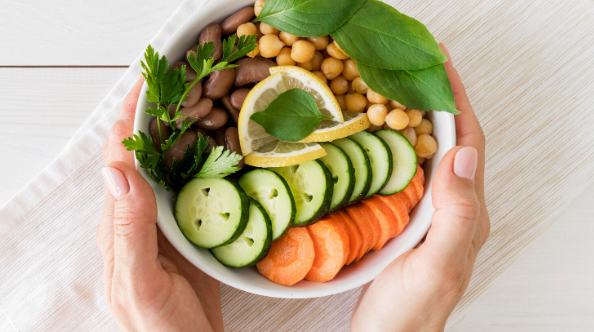
Inflammation isn’t just about movement and mood — it’s influenced by what you eat too. Diets rich in whole, unprocessed foods — especially fruits, vegetables, legumes, whole grains, omega-3 fats (like those in oily fish), and plant oils — are linked with lower inflammatory markers.
How to do it:
- Fill your plate with colorful veggies and fruits.
- Choose whole grains over refined ones.
- Add sources of omega-3s like salmon, sardines, walnuts or flaxseed.
Tip: Avoid highly processed foods, excess added sugars, and fried items — they tend to raise inflammation.
Why These Habits Work
Chronic inflammation is not just biological — it’s tied to stress, lifestyle and environment. The habits above work on multiple levels:
- they reduce stress hormones that trigger inflammatory responses
- they support healthy immune regulation
- they improve gut and metabolic health, which influence inflammation markers
Together, these small changes create a supportive inflammatory balance in your body — often without medication or medical intervention.
Takeaway
You don’t need specialized tools or a huge lifestyle overhaul to make your body less inflamed. Meaningful change starts with everyday actions: walk in nature, move your body, connect with others, enjoy art or music, and choose wholesome foods. Over time, these habits aren’t just soothing — they help build a stronger, less inflamed you.