
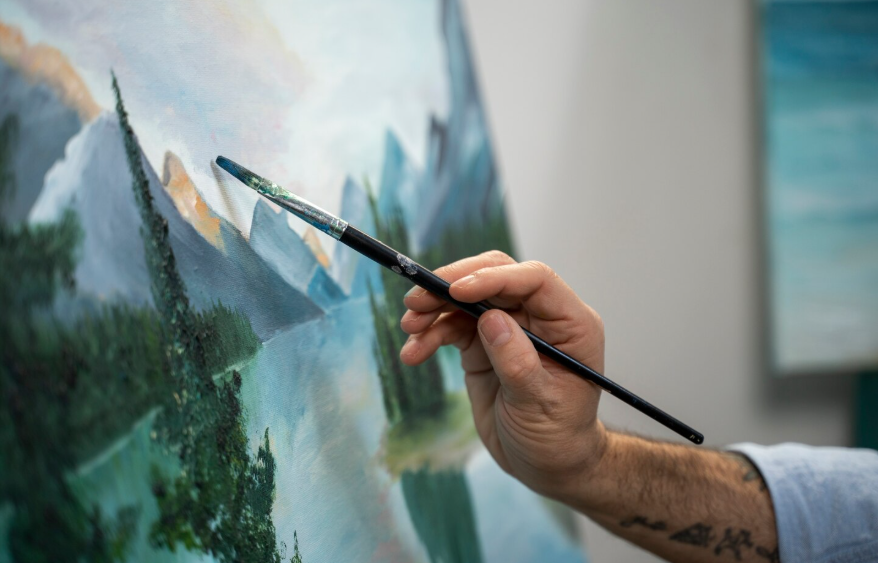
Imagine boosting your mood, strengthening your brain, and adding meaning to your life — all by regularly engaging in creative activities like music, painting, dancing, reading, and writing. That’s not just poetic thinking; it’s supported by growing scientific evidence showing that arts and creative engagement are deeply linked with better physical and mental health.
This year, experts are encouraging people to make creativity a part of everyday life — not just a hobby for special occasions — because the benefits are real, wide-ranging, and accessible to many of us.
What Art and Creativity Do for Your Health
Creative activities aren’t just “nice to have.” Scientific studies show that whether you participate in the arts (like dancing, drawing or singing) or consume them (like listening to music or visiting a gallery), art engages brain and body systems that affect well-being:
Enhance Mood and Reduce Symptoms of Depression
Research involving hundreds of randomized trials finds that activities such as singing, dancing, reading, crafts, and other creative pursuits can reduce symptoms of anxiety, stress, and depression across age groups.
One study even showed that people who regularly attend cultural events like theatre, live music, and museum visits have nearly half the risk of developing depression, independent of lifestyle or demographic factors.
Build Cognitive Reserve and Brain Health
Engaging with art isn’t just emotional — it’s neural training. Activities like music, painting or creative writing activate wide networks in the brain responsible for memory, movement, emotions and pattern recognition. Over time, this can strengthen brain connections and increase grey matter volume, which helps preserve cognitive function as we age.
In other words, regular creative engagement builds what scientists call cognitive reserve — a buffer that helps the brain cope with age-related changes and stresses.
Activate Reward and Emotional Regulation Systems
When we create or engage with art, our brains activate reward circuits — the same ones linked to pleasure and motivation — releasing neurochemicals like dopamine that support emotional well-being. These activities also help fulfill psychological needs like autonomy, mastery, and self-expression.
That means art doesn’t just feel good in the moment — it also teaches your brain how to regulate emotions and respond to stress more effectively over time.
Simple Creative Practices That Can Make a Difference
You don’t need to be an expert artist to benefit — small, regular creative habits are enough to start seeing changes in well-being. Here are a few ways to weave creativity into your year:
Use Music and Stories to Boost Mood
Start your day with a favorite song, replace morning scrolling with a chapter of a novel, or build playlists that lift your spirits. These small rituals engage your brain’s reward centers and help you regulate emotions throughout the day.
Pick Up a Weekly Creative Hobby
Dedicating 30–60 minutes a week to a creative pastime — whether it’s drawing, clay modelling, crafts, or playing an instrument — can improve your sense of accomplishment and emotional balance within a few weeks. Choose something that nurtures autonomy and mastery for deeper benefits.
Visit Cultural Events Mindfully
Going to a museum, theatre, or exhibition and really engaging with what you see can be profoundly calming and invigorating. Spending just a few minutes thoughtfully observing art — rather than rushing through — deepens emotional connection and appreciation.
Add Rhythm and Movement
Music and rhythm enhance physical activity. Listening to upbeat music while you walk, dance, or exercise can boost your performance and enjoyment — and even help you move more efficiently.
Embrace Play and Imagination
Let yourself play, imagine, and explore — whether that’s through storytelling, acting games, or imaginative group activities. Play isn’t just for kids; it enhances mental flexibility and helps you adapt to life’s ups and downs with creativity and resilience.
Why This Matters for 2026
In a time when many people are searching for ways to improve their mood, manage stress, and protect brain health, art offers a uniquely holistic tool: it engages emotion, cognition, social connection, and physical well-being all at once.
Art isn’t a medical cure-all, but it is a powerful complement to other healthy habits like movement and social support. Because creativity is accessible in countless forms — from singing in the shower to visiting a free local exhibition — it’s something almost anyone can start exploring right away.
Takeaway
Engaging with art isn’t just enrichment — it’s a way to support your mental, emotional, and brain health in 2026 and beyond. Whether you immerse yourself in creating or appreciating art, building a creative habit can deepen joy, strengthen resilience, and help you navigate life’s challenges with more balance and hope.